
Mohsin Hamid’s new book ‘The Last White Man’ questions ‘white people’ as Black Lives Matter brings change, but is surprisingly lightweight
Mohsin Hamid’s new book ‘The Last White Man’ questions ‘white people’ as Black Lives Matter brings change, but is surprisingly lightweight
“Anders, a white man, woke up one morning to find himself a deep, unmistakable brown.” This is the opening sentence of Mohsin Hamid’s story about race and difference. . Anders never knows how or why he changed colors. But it completely changes his life.
Anders calls in sick rather than going to work as a fitness gym trainer. His partner, Oona, a yoga teacher, tells him he looks “a different kind of person, a completely different person”. Very uncomfortable with the idea of having sex. Oona’s mother is even more repelled by the idea of intimacy across racial barriers, even though her daughter’s boyfriend has only changed skin color .
When Anders finally returns to work, he believes that other people, other white people, see him differently and are unreliable. I feel insecure about who I am.
But he is not alone. More and more people suddenly lose their whiteness without explanation. Some of the more fanciful websites and message groups are promoting outlandish conspiracy theories given the lack of conventional explanations.
Militant militia groups take to the streets. Law and order will collapse. A race war looms. But as changes in people’s appearance become almost universal, a new normal takes hold. The concept of whiteness is nothing more than nostalgia for a lost era.
Against the odds, Hamid’s novel ends on an uplifting note, pointing out the possibilities of overcoming racial differences and enjoying our shared humanity. Maybe, but it’s a comforting concept.
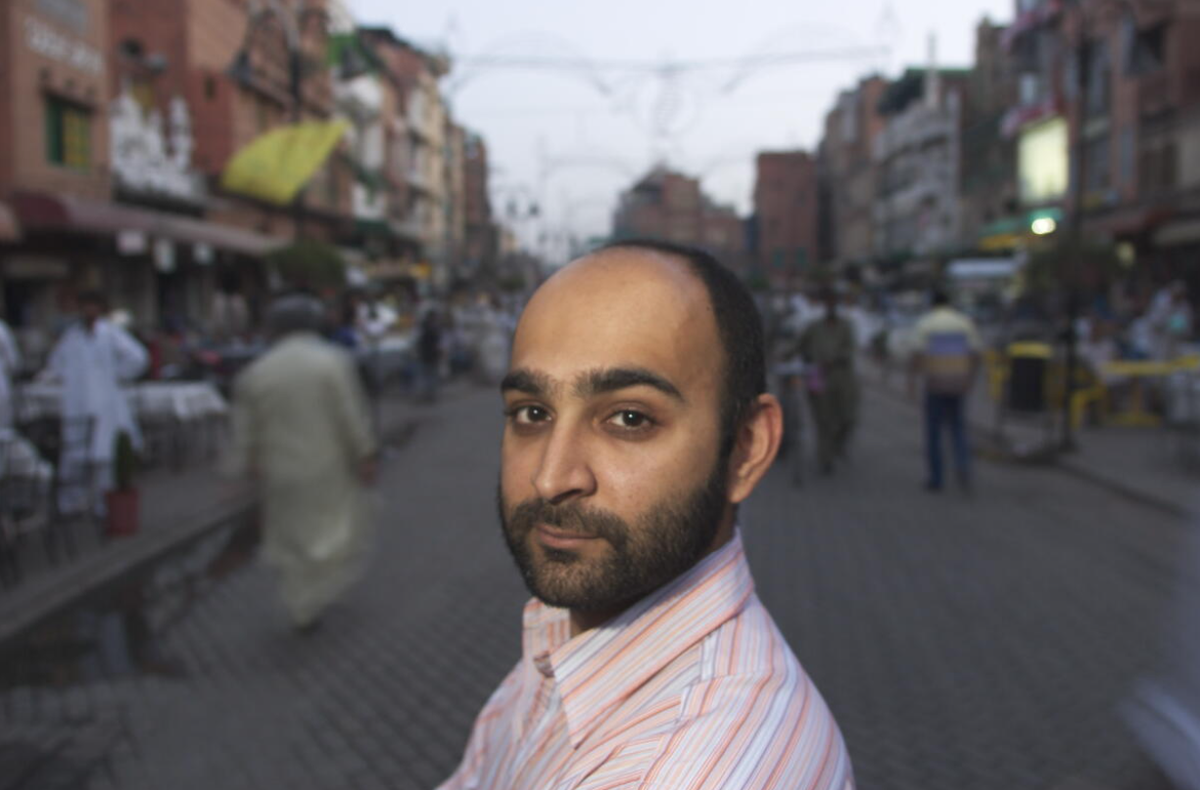
Author Mohsin Hamid | Photo Credit: Reuters
new order
The novel is also about loss and grief and parenting. Anders’ terminally ill construction worker father immediately and instinctively protects his newly darkened son. adapt to the new order.
The story is neither dated nor placed, but it is clearly about the United States today: Black Lives Matter and America’s continued failure to overcome racial divides, even after electing a black president. Mohsin Hamid is best known for spending time in the US, UK and Pakistan and for his widespread acclaim. missing pointa novel set in Lahore and published 15 years ago.
Once again, Hamid tackles one of the major global issues of our time in this novel. Creative writing demonstrates the ability to prompt us to reexamine ourselves.he said in a recent interview observer On how his new novel is rooted in his experiences as a Pakistani living in America in the aftermath of 9/11: The Moment. I attended an elite university and lived in a cosmopolitan city. I wasn’t white, but I was white enough. And after 9/11, everything changed. When things didn’t go back to normal, I thought: What is this White America I had a probationary membership on?
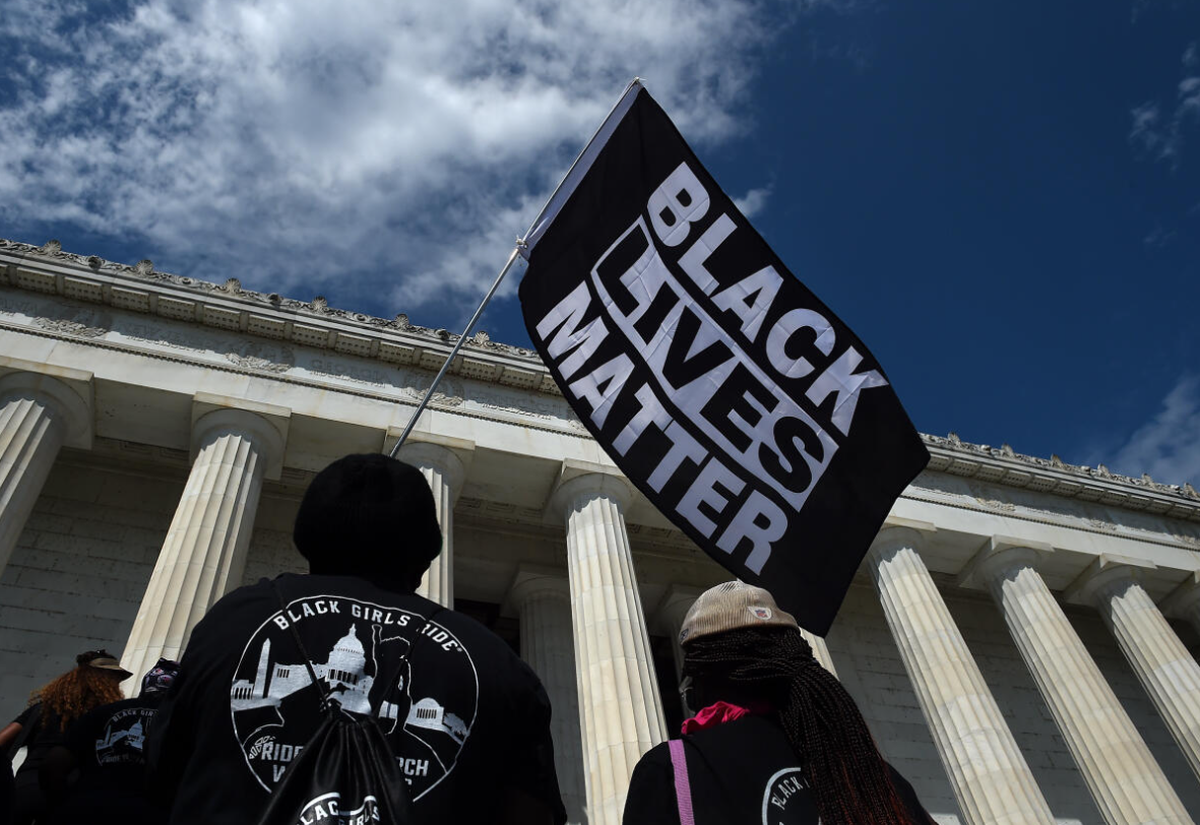
In this novel, Hamid tackles one of the major global issues of our time. Photo credit: AFP
not enough
However the last white man Not the same caliber as Hamid’s previous work. It’s a topic, but it’s surprisingly light. Slender in all respects. Not so much a novel as a full-length novel, it’s only 40,000 words long. Lack of character development. And overall, just a little bland.
Hamid deliberately avoids the word “black.” People who change color go from white to black. They also seem to be adopting new facial features, and this isn’t just a darkening of skin tone, it’s a change in race.
the last white man
Mosin Hamid
penguin random house
¥599
the last white man It is written in an allegorical style with a deliberately naive style, and speech marks are almost completely avoided. It speaks to centuries of white privilege. Building a social status and identity that is not someone else. A deep-seated racism that continues to ravage even the most economically advanced democracies. But it’s an allegory that’s more reflection than it offers a clear lesson.
The Black Lives Matter movement has had a global impact and has helped bring about change. It inspired a flurry of books on race, most of them non-fiction, and containing more than this slim book.
Andrew Whitehead is a former BBC India correspondent and visiting professor at the Asian College of Journalism, Chennai.
.
Comments
Post a Comment